DIGNITY
ON
WHEELS.
A $60 mobile hope-cart replaces the stolen shopping cart — turning "litter" into a managed civic asset, and the unhoused into citizens with legitimate, personal property the city must respect.
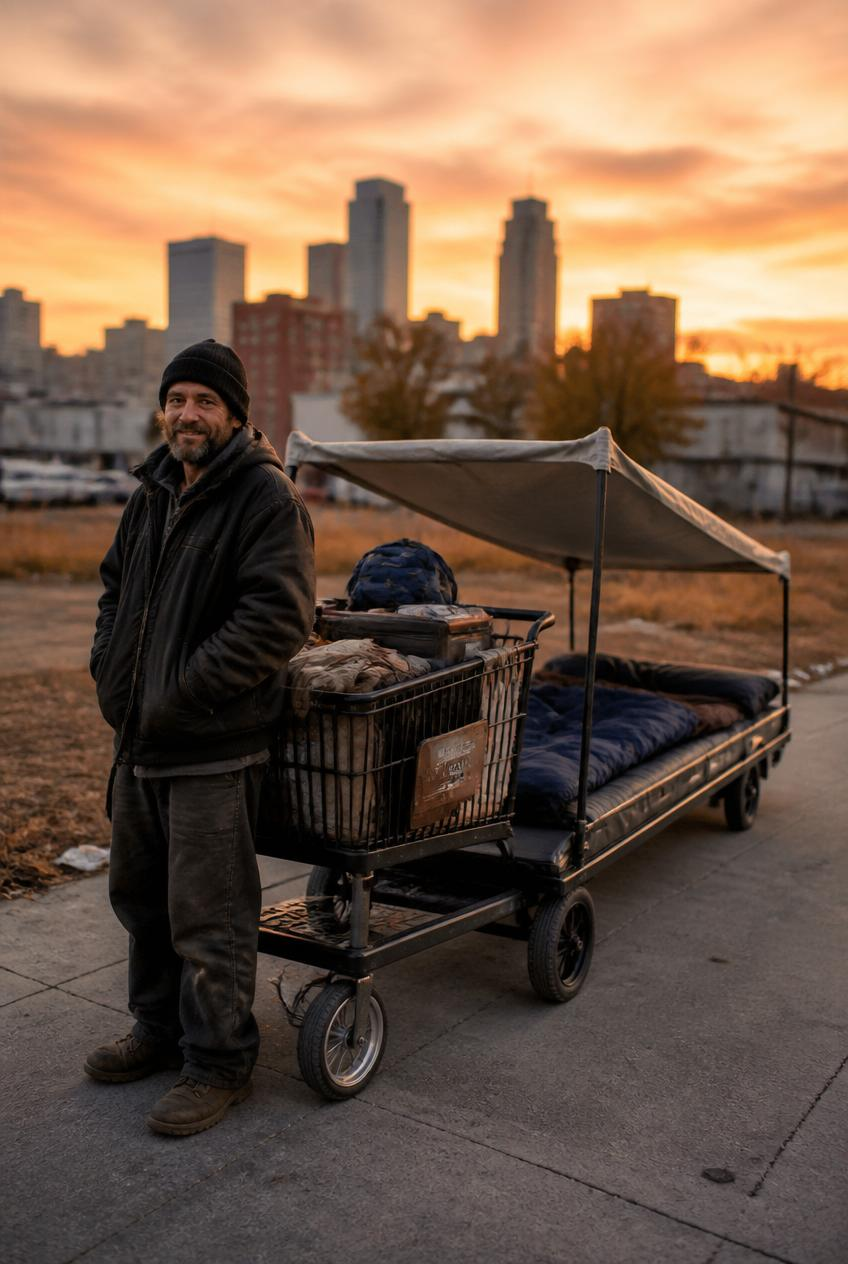
The cart
is criminal.
The person
isn't.
Cities treat shopping carts as abandoned property, litter, or obstructions. Because the carts are stolen, they're inherently illegitimate — giving officers the legal pretense to seize, destroy, and displace.
In Tulsa, initiatives like Operation SAFE clear encampments by destroying the only property the unhoused possess: the cart that holds their bedding, medication, ID, and memory of a life. Every sweep restarts the clock at zero.
From "litter"
to managed asset.
City-issued
When a nonprofit or municipality provides the cart, it stops being stolen. It becomes transitional mobile equipment — authorized personal property.
Legally protected
Authorities can no longer justify destruction. Any interaction must follow due process for personal property — humane, regulated, accountable.
Dignifying
The user becomes a documented participant in a civic program — not a target. Stability is the prerequisite for everything that follows.
Two modes.
One home.
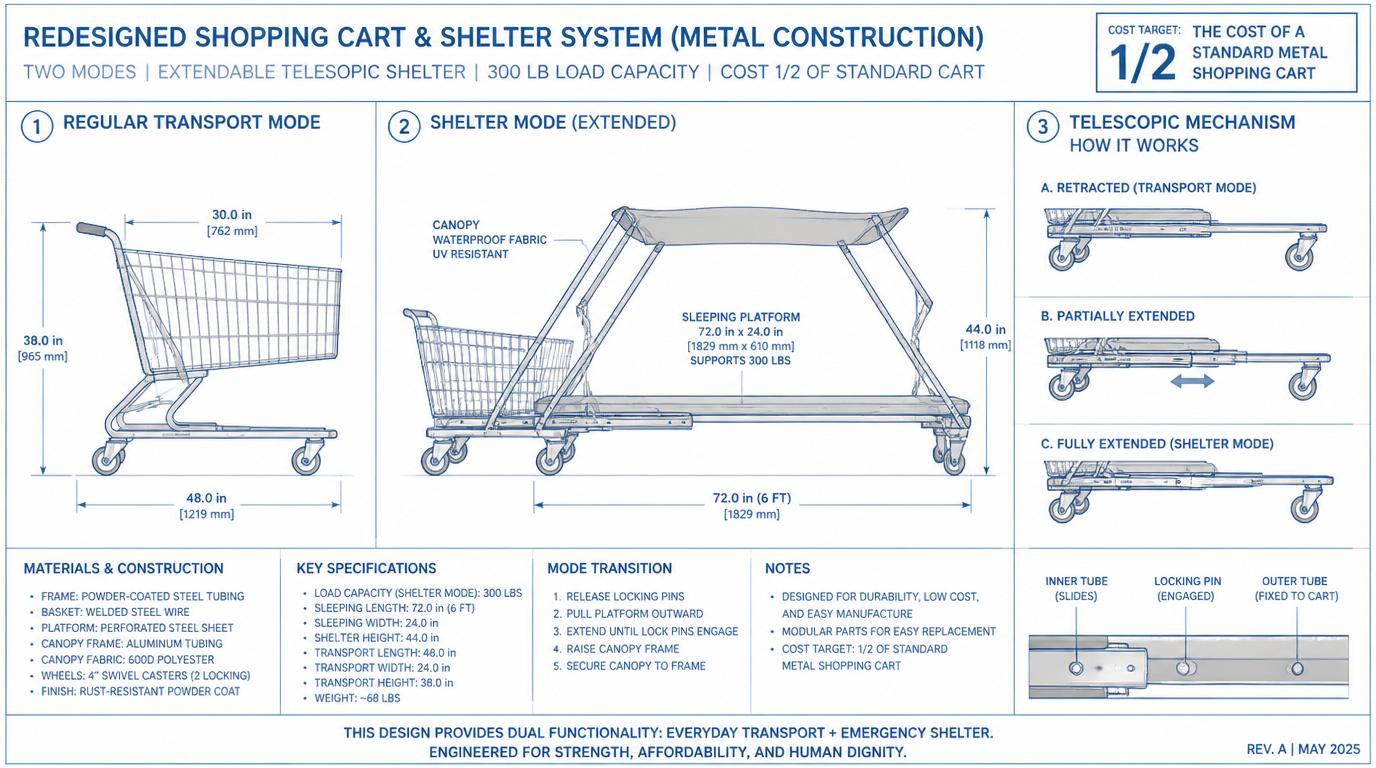
TREKK is an all-metal telescopic cart: rolls by day, shelters by night. Powder-coated steel frame. Welded wire basket. Waterproof canopy. Engineered for strength, affordability, and human dignity.
- → Powder-coated steel tubing frame
- → Welded steel wire basket · perforated steel platform
- → 300 lb load capacity (shelter mode)
- → 72" telescopic sleeping platform (6 ft) · 24" wide
- → 600D waterproof, UV-resistant polyester canopy
- → 4" swivel casters, 2 locking · ~68 lbs total
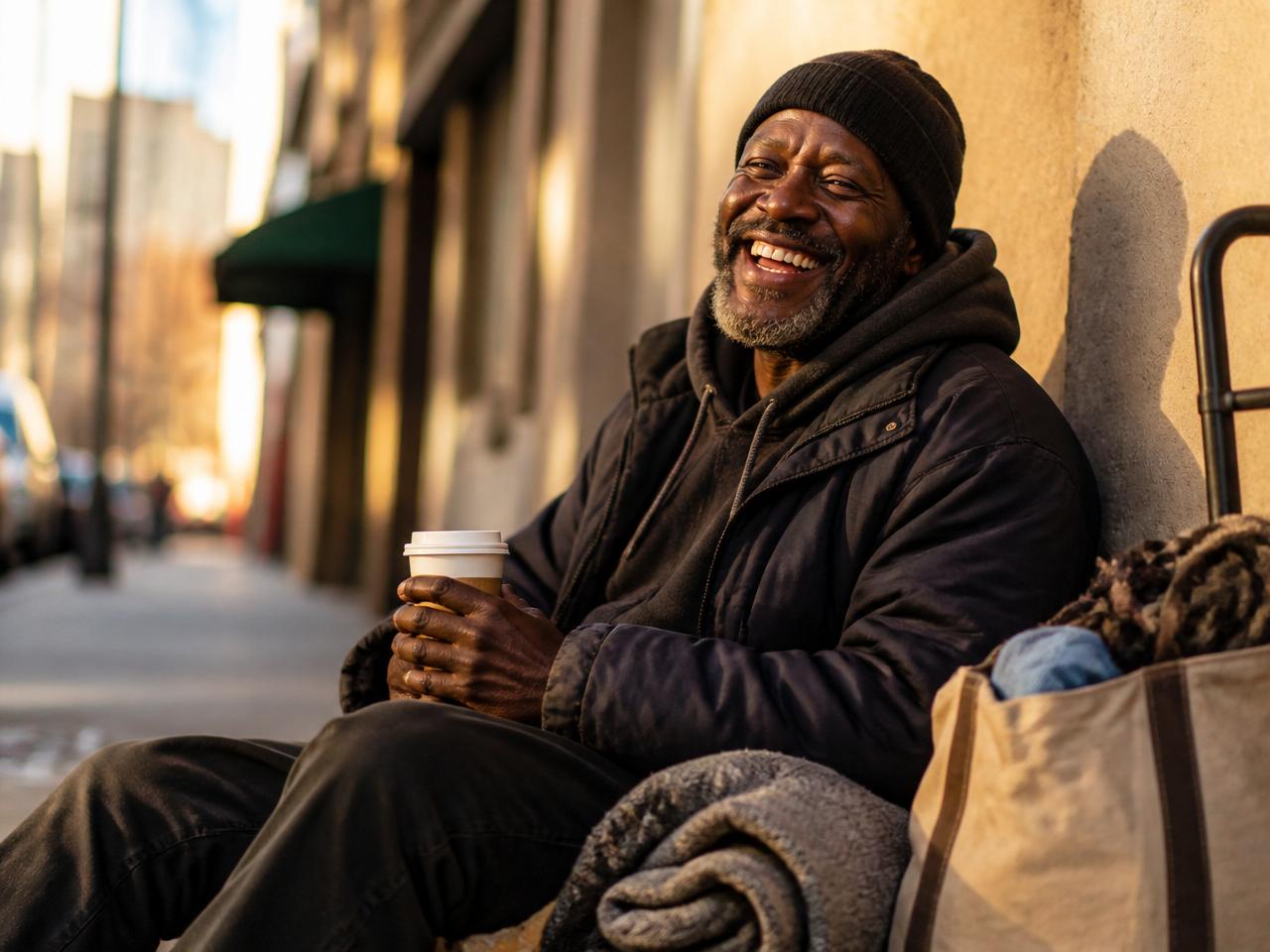
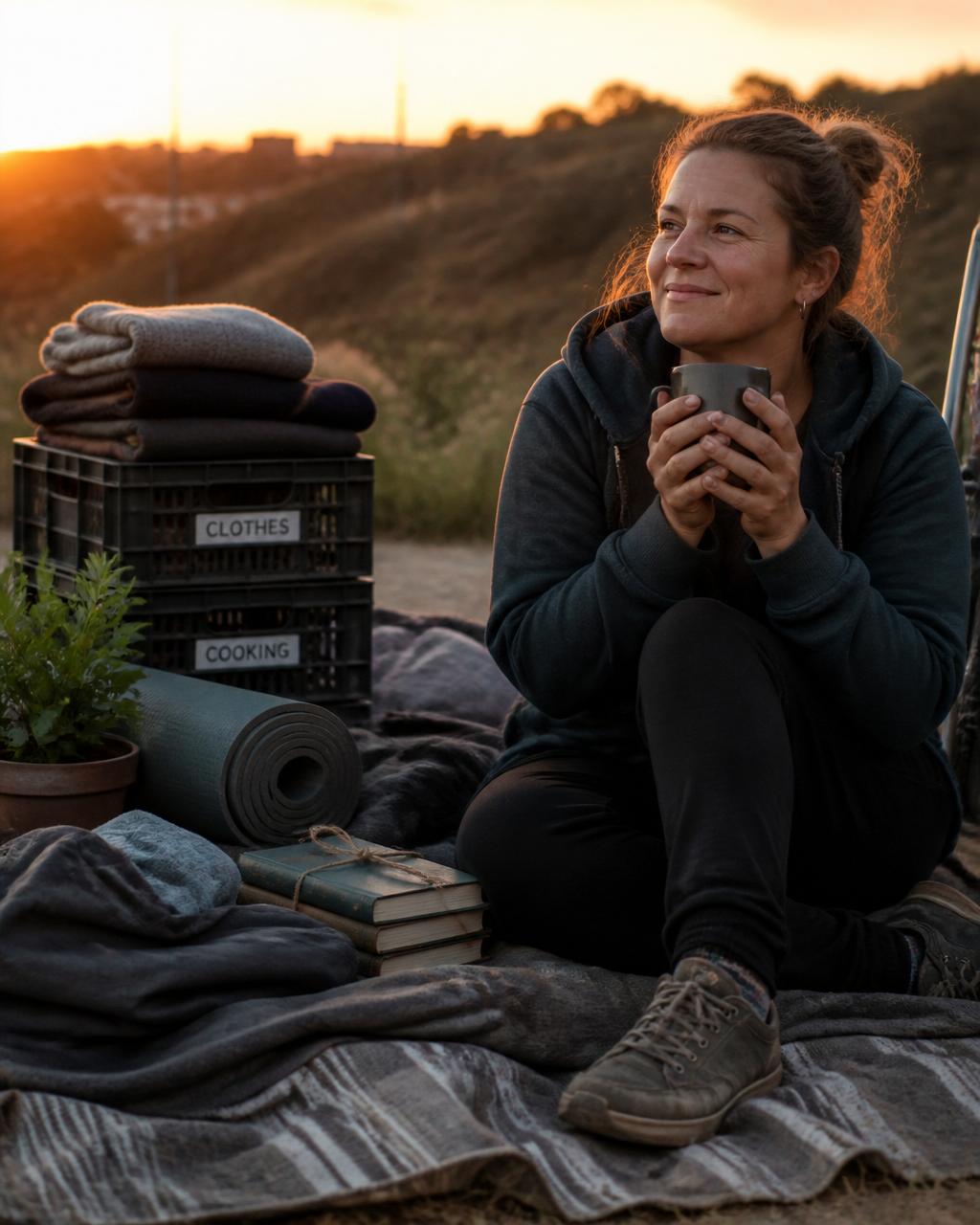
What dignity
looks like.
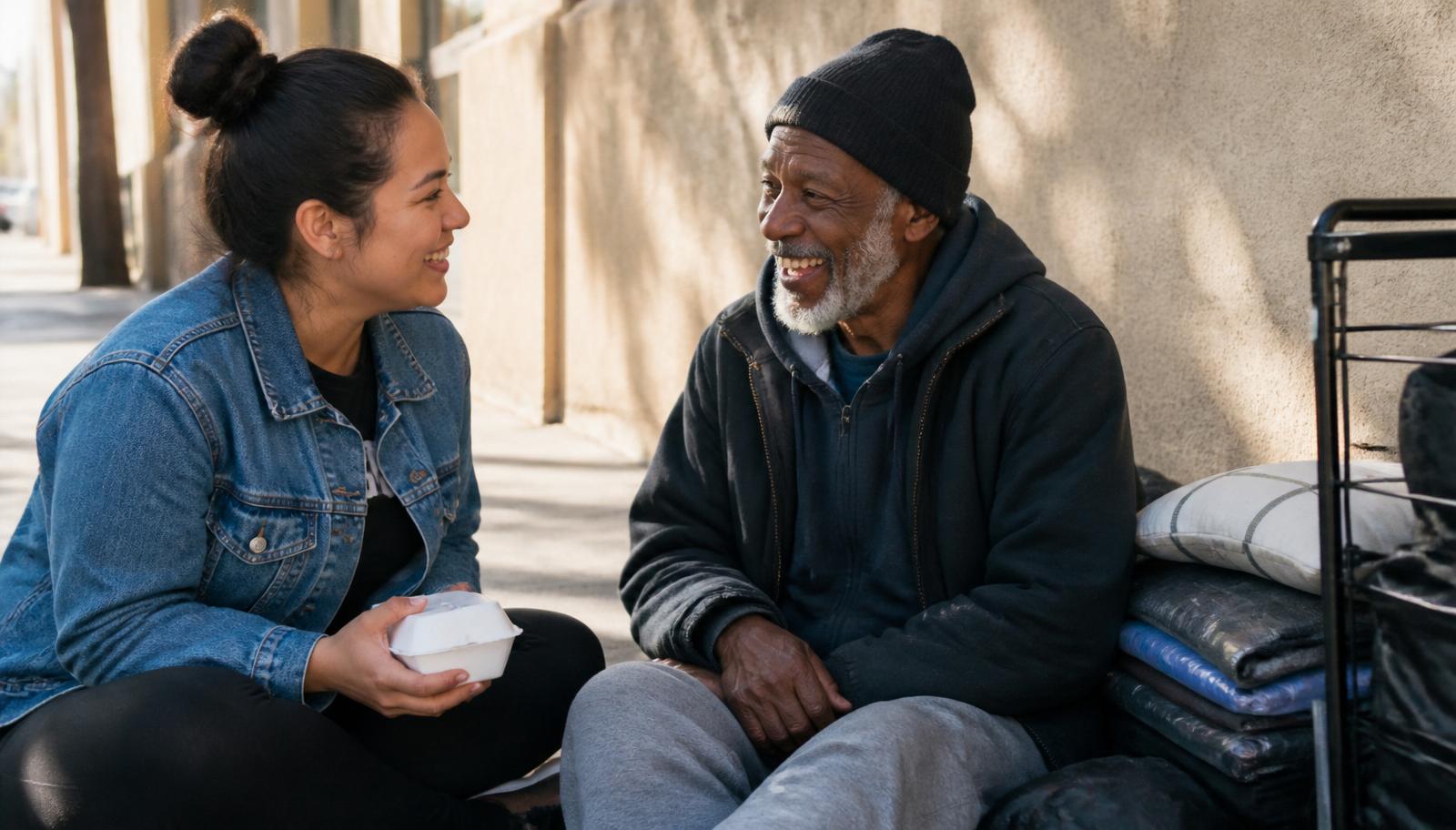
Renderings of the cart in the hands of the people it's built for. Real production units begin with the first 100 funded pilot.
$6,000 funds
100 homes.
We're seeking pilot partners — civic foundations, donors, and municipalities ready to replace criminalization with infrastructure. A single pilot can re-pattern how a city relates to its most vulnerable residents.
Funds one cart. One person off the ground tonight.
Outfits a full block — ten units with locks and bedding.
Underwrites the founding 100-unit Tulsa pilot.